DAILY HOMILIES #Love
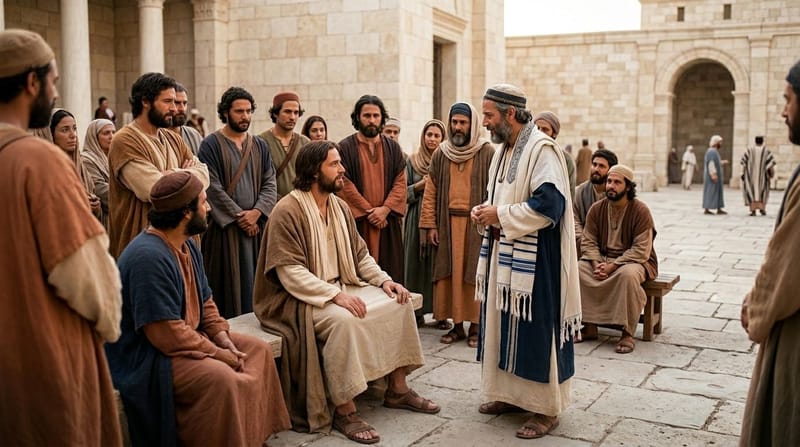
As simple as it sounds, loving our neighbours as ourselves is a sacrifice. When we love others, they respond with hatred. They take advantage of us when we are kind, sincere and open. If you expect people to appreciate you for living a righteous life, love you for loving them, or even reciprocate your kindness, you are wasting time. Whatever good you do for others, know that you do it for God.
Read More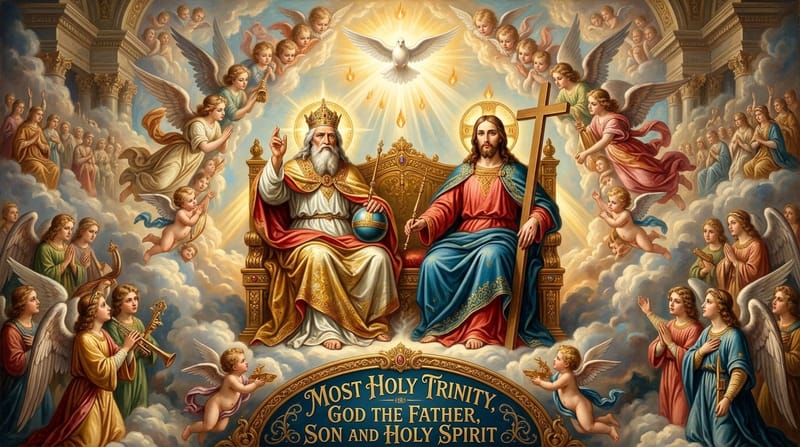
As we celebrate the Trinity, let us think of our oneness as humans: we all came from one God and are related to one another. If we trace our family origins, we will discover we are more united than we often assume. St. Paul says, “Mend your ways, heed my appeal, agree with one another, live in peace, and the God of love and peace will be with you.”
Read More
Avoid using others to judge your progress in life. We are social beings and tend to follow the crowd. Also, we derive a sense of achievement from knowing that we are doing better than others, especially those within our close circle. Even among Jesus’ disciples, there were rivalries and arguments about who was the greatest. (cf. Luke 9:46, Luke 22:24). Peter wanted to know if John would have to carry a heavier cross, but this inquiry was never necessary.
Read More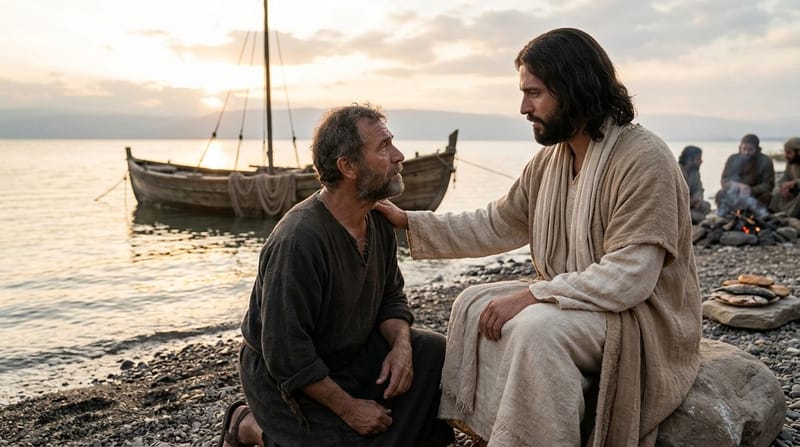
We all claim to love God, but the true test of our love for God is the quality of our sacrifice. If I say I love God, am I willing to let go of everything else for His sake? Many claim to love God but are only interested in the outcome of their relationship with God. Hence, when circumstances seem to offer nothing in return, they become cold towards God.
Read More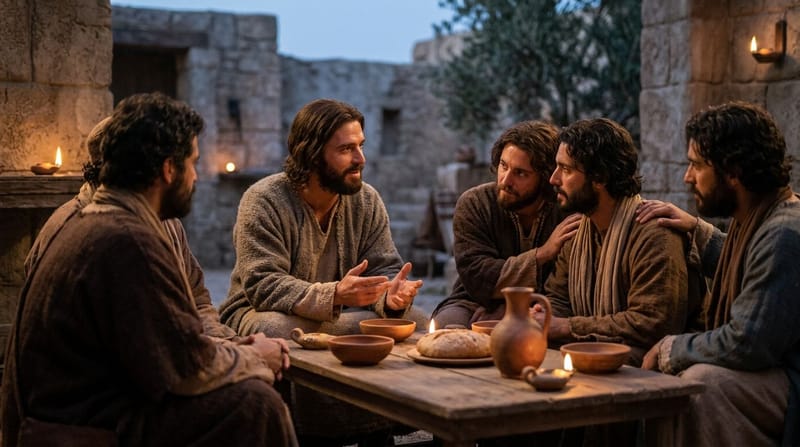
What does it mean to love one another as God has loved us? It means that we pour ourselves out for the good of our fellow brothers and sisters. To love like God is to be a Prodigal Father ready to forgive as many as seventy-seven times seven times.
Read More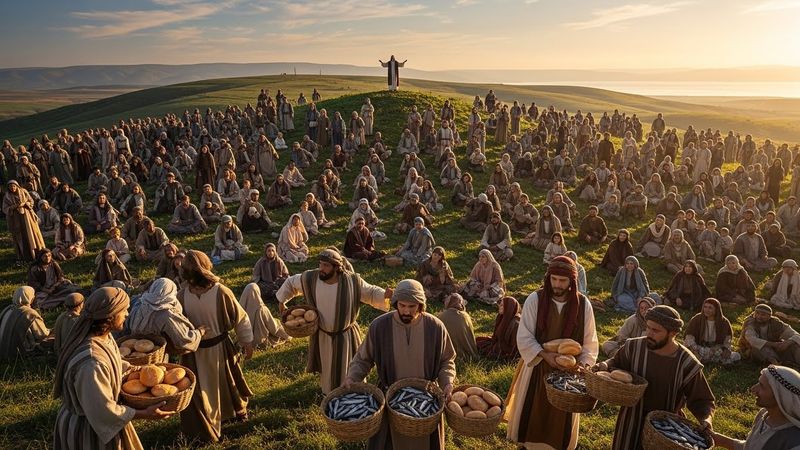
It was out of love that Jesus opted to feed the multitude. Again, by asking them to sit down in small groups, Jesus taught us the power of small groups as places where we find love. After blessing the bread and fish, Jesus taught another powerful lesson on love by asking them to share. To love is to share; when we share what we have, it multiplies. As the crowd shared the pieces of the five loaves and two fish with love, it multiplied until all ate and were satisfied.
Read More
If I can keep God’s commandments or overcome temptations, I must learn to thank God because, left to my power, I can do nothing. All this boils down to the fact that we must avoid passing judgment on others while boasting about our goodness. Nevertheless, it is different when we correct others in love. This is what we see in today’s Gospel passage.
Read More
Whether we like it or not, we will all experience rejection at some point in our lives, as long as we live in a world where freedom of choice exists. So rather than avoiding rejection at all costs and becoming people pleasers (which is worse), we need to prepare ourselves ahead of time for rejection and find ways to heal ourselves when it occurs.
Read More
What makes a Christian different from any other human being on earth? Jesus Christ answers this question in today’s Gospel passage, and His answer is simple: LOVE FOR ENEMIES. You are not better than any sinner if you only love those who love you. Your Christian identity demands a higher attitude; that you love your haters as well.
Read More
Love is empty if it doesn’t require anything from you. True love requires sacrificing for others, especially for the old. Just as loving God demands our wholehearted worship, loving our neighbours also demands sacrifice on our part.
Read More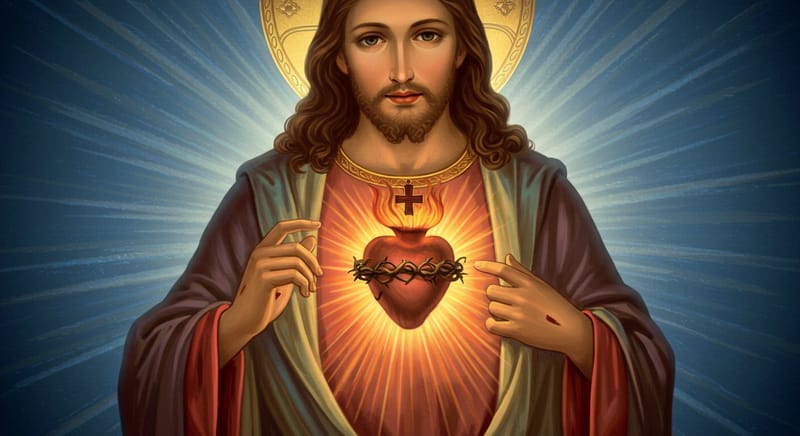
“I seek out my sheep, and I will rescue them from all places where they have been scattered... And I will bring them out from the peoples, and gather them from the countries, and will bring them into their land; and I will feed them on the mountains… I will feed them with good pasture, … they shall lie down in good grazing land, and on fat pasture, they shall feed” (Ezekiel 34:12-14).
Read More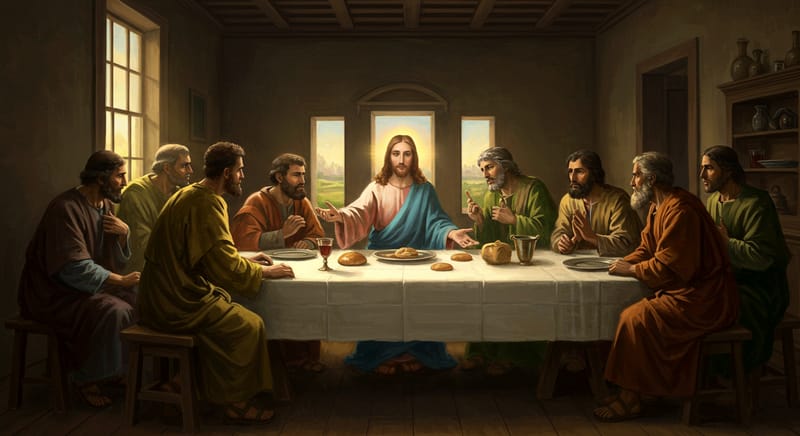
In the feeding of the five thousand, one obvious lesson we learn is that we serve a God who is interested in our physical as well as spiritual well-being. Jesus would not allow the crowds to go away hungry. He felt their plight and worked a miracle to feed them. This same feeling of love and concern is what inspired our Lord Jesus to sacrifice His flesh and blood for us on our behalf.
Read More